Why the quota error appears, how to prevent it, and a fast playbook for shipping reliable direct downloads.
What the quota error really means
Google Drivethrottles downloads when a file is requested too many times in a short window or by too many unique IPs. The classic message is “Sorry, you can't view or download this file at this time.” Direct links are convenient, but if a popular file spikes, Drive pauses access. The good news: you can recover quickly with mirrors and smaller bundles.
Quick triage checklist
- Check if the file is huge (1 GB+). Split or compress if possible.
- Confirm sharing is still “Anyone with the link.” If it flipped to restricted, fix that first.
- Ask a friend on a different network to test. If they see the same error, you hit the quota.
- Decide whether to wait it out (often clears in 24h) or publish a mirror now.
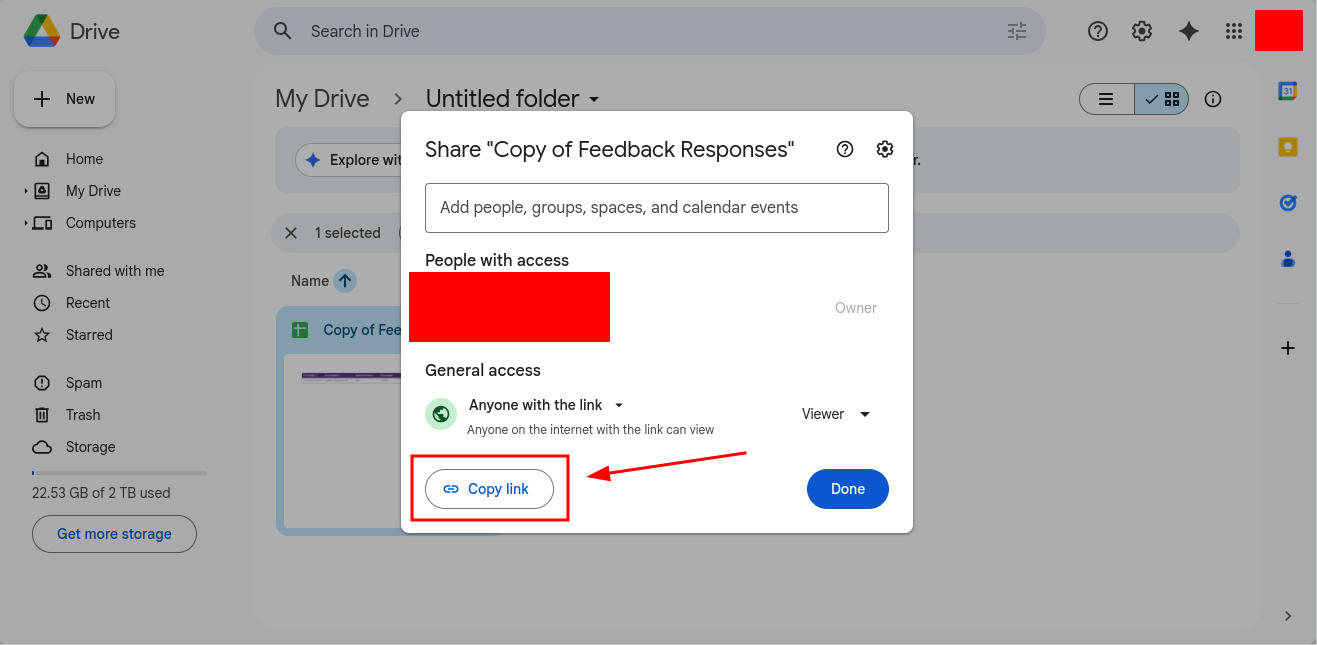
When traffic spikes, provide a mirror so your audience keeps downloading.
Option 1: Publish a mirror fast
- Upload the same file to Dropbox or OneDrive.
- Generate a share link and convert it to a direct download using a direct link generator.
- Send or post the mirror link next to the original Drive link.
This takes under five minutes and keeps users moving while Drive cools down.
Option 2: Split large files
Quota is more likely on large, frequently downloaded files. If you ship a 2 GB video, split it into two 1 GB parts or compress to H.265 to shrink size. Each part gets its own link, spreading requests and lowering risk.
Option 3: Bundle multiple small files into a zip
When you have dozens of tiny files, zip them so users only make one request. This reduces total hits and shortens download time for your audience. For bulk file sets, this is usually the fastest recovery option.
Option 4: Rotate between platforms
Publish two links: “Primary (Drive)” and “Mirror (Dropbox).” If Drive throttles, users automatically choose the mirror. Converting both links to direct downloads keeps the experience consistent.
How to harden your direct links
- Label mirrors clearly: “Primary” vs “Mirror” removes confusion.
- Keep version numbers: Add v1.2 to filenames so people know which file matches which changelog.
- Use short notes: Add “If Drive is slow, use the mirror” near the links.
- Test from mobile: Quota errors often show up first for mobile users tapping high-traffic posts.
Example notice you can paste
Primary (Google Drive) - direct download
Mirror (Dropbox) - direct download
If Drive shows “quota exceeded,” use the mirror. Same file, same checksum.
Will changing the file ID help?
Re-uploading the file to Drive generates a new ID and resets quota, but everyone with the old link will break. Only do this if you can notify your audience quickly or if the file is internal to a small team.
What not to do
- Do not force users to request access; it slows everyone and many will leave.
- Do not use third-party rehosts you don't trust; file integrity and privacy matter.
- Do not share private data broadly just to avoid quota; stay compliant.
What to prepare before a launch or heavy share
The easiest quota problem to fix is the one you avoid before it happens. If you know a file will be posted in a newsletter, LMS, social campaign, or support article, prepare a backup host before publishing. Keep the same file ready in Dropbox or OneDrive, test both direct links, and store them in the same note. Then if Drive slows down, you are swapping one URL instead of scrambling under pressure.
This matters most for PDFs, videos, and class packets that many people open at once. Popular files create burst traffic, and burst traffic is exactly where Drive quota issues appear.
Post-incident recovery routine
- Replace the public-facing link with the mirror first.
- Add a short note explaining that the primary host is temporarily throttled.
- Keep the old link documented so you can switch back later if needed.
- Review whether the file should be compressed, split, or bundled differently next time.
Over time, this turns quota issues from a panic moment into a standard operations checklist. The generator helps with conversion, but the real reliability comes from preparing mirrors and labels before users start reporting failures.
Why mirrors matter more than clever workarounds
When a file is already throttled, the fastest solution is rarely a tricky hack. It is usually a clear mirror with a tested direct link and a short note for users. Mirrors reduce support load, keep trust high, and let your audience keep moving while the primary host cools down.
If your content is important enough to publish publicly, it is important enough to have a fallback plan. That mindset is what keeps a quota event from becoming a broken campaign or a failed classroom handout.
Takeaway
Quota exceeded is frustrating but fixable. Add a mirror, shrink big files, and label links. Use DriveDirect Gen to convert both your primary and backup links to clean direct downloads so your users keep flowing without dead ends.
Related guides
- Create a Google Drive direct link step by step.
- Convert many links in bulk when you publish mirrors.
- Automate downloads with curl/wget for backups and mirroring.
- Force-download PDFs and images to reduce preview strain.